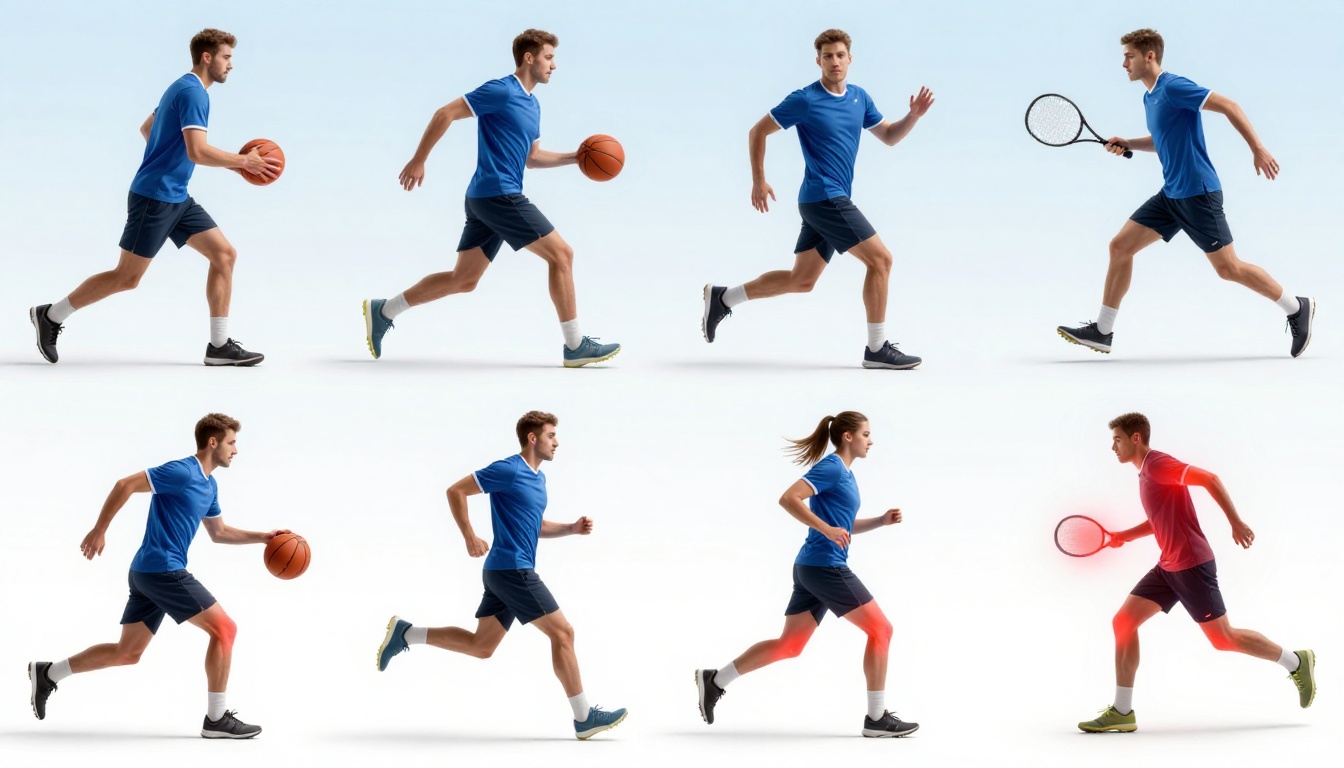
Every year, the American Academy of Orthopaedic Surgeons reports over 8.6 million sports-related injuries in the US. Many stem from everyday games like weekend soccer. Picture this: you’re dashing down the field for a goal when your ankle twists underfoot. Pain shoots up your leg. You hobble off, wondering how long you’ll sit out.
These setbacks sideline athletes of all levels. They cost time, money, and confidence. Spotting common sports injuries early helps you bounce back faster. You stay safer on the court or trail. This guide covers sprains, knee woes, shoulder hits, and overuse pains. You’ll learn symptoms, causes, and fixes. Plus, tips keep you playing strong.
Sprains and Strains: The Top Sports Injuries You Cannot Ignore
Sprains hit ligaments. Strains pull muscles or tendons. Together, they cause about 40% of sports injuries, based on recent NSCA data. Sudden stops or twists spark them. Think basketball crossovers or soccer jukes.
Symptoms include sharp pain and swelling. They strike ankles, knees, and hamstrings most. Runners, ball players, and team sport fans face them often. Does that twinge after a game sound familiar? Quick care prevents worse damage.
For deeper stats on injury rates, check the NSCA position statement on muscle strains.
Ankle Sprains from Quick Cuts and Uneven Ground
Your foot rolls inward or outward. Boom: ankle sprain. Pain swells fast. Bruising follows. The joint feels wobbly.
They make up 15-20% of sports injuries, per CDC’s 2025 update. Soccer, volleyball, and trail runs trigger most. Recovery takes 2-6 weeks with rest.
Use RICE right away: Rest, Ice, Compression, Elevation. Tape or brace helps when you return. It feels like stepping in a pothole on the go.
Hamstring and Calf Strains in Sprints and Jumps
Muscles tear from quick stretches. A sharp pull hits mid-sprint. Walking hurts bad.
Track, football, and tennis see them a lot. The 2024 British Journal of Sports Medicine notes 12% of all injuries. Stretch gently before to dodge them.
Rest heals in 1-3 weeks. Picture a sprinter grabbing the back of their leg at the finish.
Knee Injuries That Bring Even Pros to a Halt
Knees rank second, at 20% of injuries per AAOS stats. They control stability during jumps and turns. Pivots or bad landings cause trouble.
Pain and swelling signal issues. Basketball, skiing, and football players know this too well. Catch signs early. You might skip surgery.
See the latest from AAOS on knee ligament injuries.
ACL Tears from Sudden Direction Changes
The ACL keeps your knee steady. Sharp cuts in soccer or basketball snap it. You hear a pop. Swelling balloons. The leg won’t straighten.
Over 200,000 happen yearly in the US, 2026 projections show. Braces help mild cases. Surgery and rehab take 6-12 months. A teen baller faces a long road back.
Runner’s Knee and Meniscus Damage
Runner’s knee grinds around the kneecap. Overuse or bad form causes it. Meniscus tears rip cartilage on twists.
Both swell and ache. Runners and cyclists deal with them. Runner’s World 2025 pegs 15% of running injuries here. Ice and quad strength fix most.
Shoulder, Elbow, and Head Injuries in Throwing and Contact Sports
Upper body and head hits affect 25% of athletes, recent studies say. Throws, falls, or tackles start them. Baseball, football, and gymnastics lead the pack.
Weakness and aches warn you. Concussions hide danger. Pros pause for these. Amateurs should too.
Rotator Cuff Tears and Tennis Elbow
Overhead throws tear shoulder muscles. Pain flares when you lift. Swimmers and pitchers suffer.
Tennis elbow inflames forearm tendons from grips. Golf and racket sports spark it. Weak grips follow aches. They claim 10% of overuse cases. Physical therapy and rest mend them. A pitcher’s fastball dreams fade without care.
Concussions: The Hidden Danger of Impacts
A blow shakes the brain. Headaches, dizziness, and fog hit fast. Symptoms can grow later.
Football and hockey see millions yearly, CDC 2026 data shows 3.8 million. Pull players out. Watch close. Baseline tests protect kids. Ignore it, and risks stack up.
Overuse Injuries Like Shin Splints and Stress Fractures
These creep in from ramping up too fast. They hit 30% of runners, a 2025 study finds. Hard surfaces and poor shoes fuel them. Dance and endurance sports suffer.
Early tweaks stop breaks. Listen to dull pains.
Shin Splints That Make Every Step Hurt
Inflammation lines the shinbone. Flat feet or old shoes cause it. Aches build with runs.
New runners feel it most. Swap shoes. Cross-train. Steps turn painful without fixes.
Stress Fractures in Bones Under Pressure
Repeat impacts crack bones tiny. Pinpoint pain grows. Track and basketball players get them.
Rest rules for 6-8 weeks. Youth sports see rises. Push through, and it worsens.
Prevention Strategies and Recovery Basics to Stay Injury-Free
Warm up smart. Build strength. Gear up right. These habits cut risks, Mayo Clinic guidelines confirm.
RICE works for starters. See a doc for red flags like numbness.
Build Habits That Protect Your Body Before You Play
Dynamic stretches wake muscles. Squats shore knees. Pick sport shoes that fit.
Eat well. Rest fully. Soccer? Drill balance. Runners? Mix soft trails.
Spot Warning Signs Early and Recover Right
Big swelling or odd shapes mean ER now. Home care suits mild stuff.
Rehab rebuilds safe. Most heal full with time. Pros use PT; you can too.
Sprains, strains, knees, shoulders, and overuse top the list. Prevention puts you ahead. Share your story below. Chat with your coach or doc. Pin this for game day.
Lace up smart. Crush that next match!
(Word count: 982)