Picture this: Jake, a weekend soccer dad, huffed through games last season. He felt slow and sore. Then he followed a simple plan. In three months, he outran younger players and scored more goals. You can do the same.
Building fitness for sports step by step keeps injuries away. It boosts your speed, strength, and stamina. Whether you play basketball, run marathons, or kick a ball, this approach fits. You’ll assess your start, set goals, build basics, eat smart, train right, and track wins.
Anyone can follow these steps. No gym needed at first. Let’s get you ready to dominate.
Assess Your Current Fitness to Build a Smart Plan
Start here to avoid guesswork. Know your baseline so you train smart. Skip this, and you risk burnout or hurt.
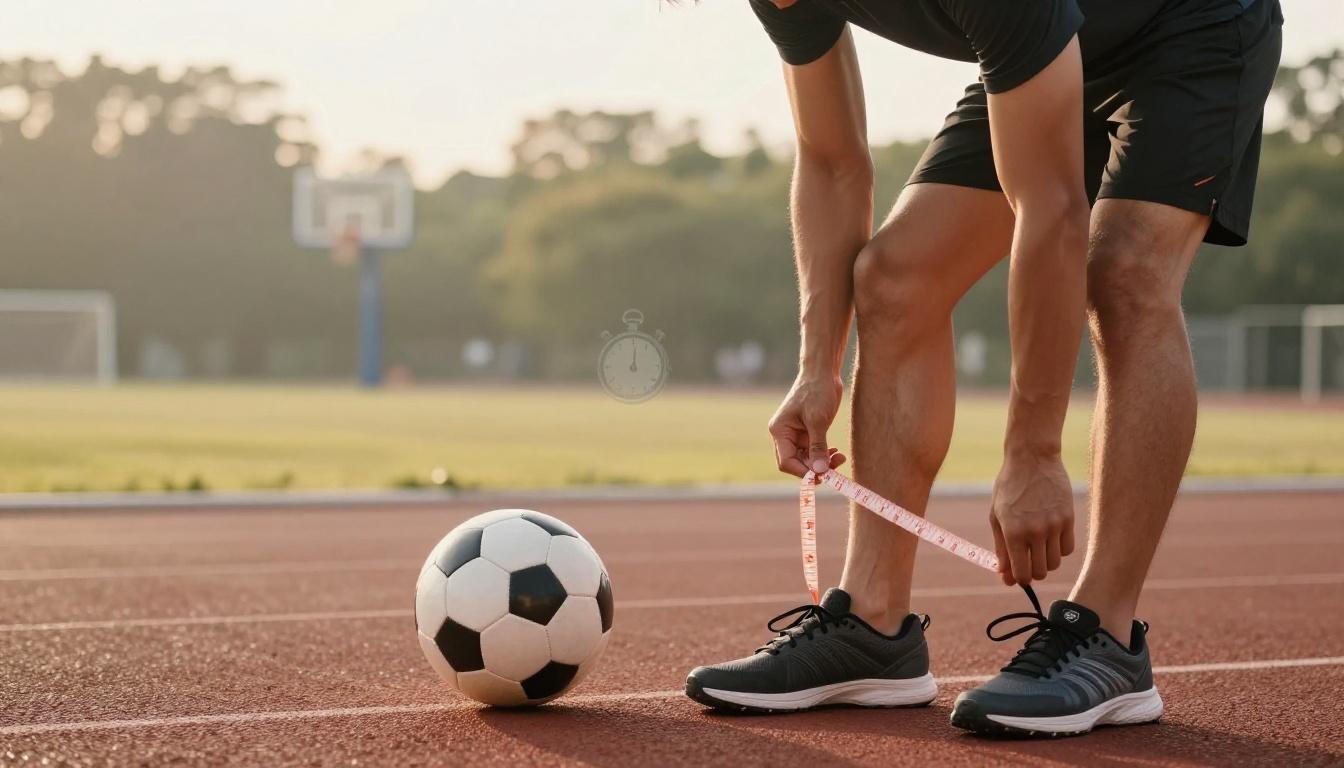
Measure simple stats first. Use a tape for waist and hips. Calculate BMI with your height and weight. For example, apps like those from the CDC help. Or check body fat with calipers if you have them. These numbers show fat levels quick.
Next, test strength and endurance at home. No gear required. Record results in a notebook. Compare later to see gains.
Sport-specific checks matter too. Soccer players test agility with shuttle runs. Runners time a mile. This sets real targets. Beginners note gentle tests. Intermediates push harder.
Why bother? It prevents overdoing it. You build from truth, not hope.

Run Simple Tests for Strength and Endurance
Grab a timer. Do max pushups in one minute. Good scores: 20-30 for men under 40, 15-25 for women. Fewer? That’s your start.
Hold a plank next. Aim for 30-60 seconds first. Stronger athletes hit two minutes. Planks build core power for sports like basketball.
Run a mile outdoors or on a track. Time it. Under 8 minutes rocks for intermediates. Beginners take 10-12. Walk if needed.
Age adjusts targets. Over 50? Add 20% time. These tests spark motivation. You see progress fast because numbers don’t lie.
For trends in 2026, free apps track these. They log data easy.
Check Flexibility and Balance for Injury Prevention
Touch your toes standing. Reach far as possible. Can’t get close? Tight hamstrings ahead.
Stand on one leg, eyes closed. Hold 20-30 seconds each side. Wobbles mean balance work needed.
Check shoulders: clasp hands behind back. Tight? Rotator cuff risks rise in sports.
Poor flexibility causes pulls in soccer sprints. Bad balance leads to ankle twists in tennis. Fix early. It pays big later.
Do these weekly. Improvement shows your plan works.
Set Goals That Match Your Sport and Keep You Motivated
Goals guide you. Make them SMART: specific, measurable, achievable, relevant, time-bound. Vague ones fail.
Short-term wins in four weeks build habits. Long-term in six months change games. Pick two to three max. Too many scatter focus.
For soccer, aim “cut 40-yard sprint by 0.5 seconds.” Basketball? “Boost vertical jump two inches.” Track weekly.
Write them down. Review Sundays. Adjust if life hits.
Match Goals to Your Sport’s Key Demands
Tailor to needs. Cycling craves endurance: “Ride 50 miles non-stop in eight weeks.”
Volleyball wants power: “Spike 10% harder measured by ball speed.”
Tennis demands agility: “Shuttle run faster by 5%.”
Team sports mix all. Pick top two. For running, stamina rules. Use NSCA’s sport demands guide for details.
Examples keep you on track. Goals fuel fire.
Build a Rock-Solid Fitness Base with Core Workouts
Base comes before fancy drills. It prevents weak links. Train three to four days weekly, 45 minutes tops.
Focus full-body strength first. Add cardio and mobility. Consistency beats hard sessions. Rest days heal.
Follow 2026 ACSM rules: balance strength, cardio, flexibility. They stress progressive overload slow.
Sample week: Monday strength, Wednesday cardio, Friday full-body, Sunday mobility. Build up.
Beginners halve reps. Intermediates add weight.
Strengthen Key Muscles for Power and Stability
Squats top the list. Do three sets of 10-12. Feet shoulder-width, knees track toes. They power jumps in any sport.
Lunges next: three sets eight per leg. Step forward, knee low. Balance boosts.
Planks: three sets 30-45 seconds. Core steady for tackles.
Rows or pull-ups: three sets 8-10. Use bands if no bar. Back strength swings bats better.
Deadlifts last: three sets 8. Hinge hips, lift slow. Form saves backs.
These transfer direct to sports.

Boost Endurance Without Burning Out
Zone 2 cardio fits talk-test pace. Run or bike 20-30 minutes. Heart steady, not racing.
Add intervals later: one minute fast, two easy. Repeat five times.
Build weekly. Monday 20 minutes, Friday 30. No burnout because easy first.
Improve Flexibility to Move Freely
Stretch daily 10 minutes. Hamstrings: sit, reach forward 30 seconds each.
Hip openers: pigeon pose hold 20 seconds side to side.
Shoulder rolls: 10 forward, 10 back. Flows like yoga.
Better range means faster sprints, higher jumps.
Fuel Your Body Right and Recover to Train Harder
Food powers workouts. Skip junk. Balance plates: half carbs like oats, quarter protein chicken, quarter fats avocado.
Drink half your weight in ounces water daily. 150 pounds? 75 ounces.
Post-workout: banana and yogurt quick. Sustainable beats fads.
Recovery doubles gains. Sleep 7-9 hours. Foam roll sore spots.
Active rest: walk easy days.
Eat for Energy and Muscle Repair
Pre-workout: oats with eggs one hour before. Carbs fuel, protein readies.
Post: chicken rice bowl. Repair muscles fast.
Macros simple: 50% carbs, 25% protein, 25% fat. Adjust for sport. Endurance eats more carbs.
Busy? Prep meals Sunday. Examples keep it real. See USDA athlete plate model for visuals.
Prioritize Sleep and Active Recovery
Dark room, no screens hour before bed. Consistent time wins.
Deload every four weeks: half volume. Watch fatigue, poor sleep signs.
Recovery builds fitness faster than grind. Listen to body.
Add Sport-Specific Training and Track Your Progress
Now layer sport work. Two base days, two drills, one rest. Total five active.
Agility ladders for soccer: high knees 20 seconds, rest, repeat.
Basketball shooting: form drills 15 minutes.
Track in journal or Strava app, hot in 2026 for metrics.
Log times, reps, mood. Adjust every four weeks. Wins keep you going.

Incorporate Drills That Mimic Your Sport
Team sports: cone weaves for agility, five reps.
Individual: tennis shadow swings, build speed.
Cycling hill repeats. Volleyball box jumps.
Start slow, add game speed. 15-20 minutes per session.
Progress keeps it fun.
Measure Wins and Tweak Your Plan
Retest baseline every three months. Faster mile? Stronger pushups?
Journal template: date, workout, notes, score.
Red flags: stalled gains, pain. Dial back.
Free sheets online abound.
Ready to Crush Your Sport?
You assessed smart, set goals tight, built base strong, fueled well, added specifics, tracked all. In 12 weeks, you’ll feel unstoppable.
Pick one step today. Share your baseline test in comments. Grab our free plan download for checklists.
Step by step wins every time. Go dominate.