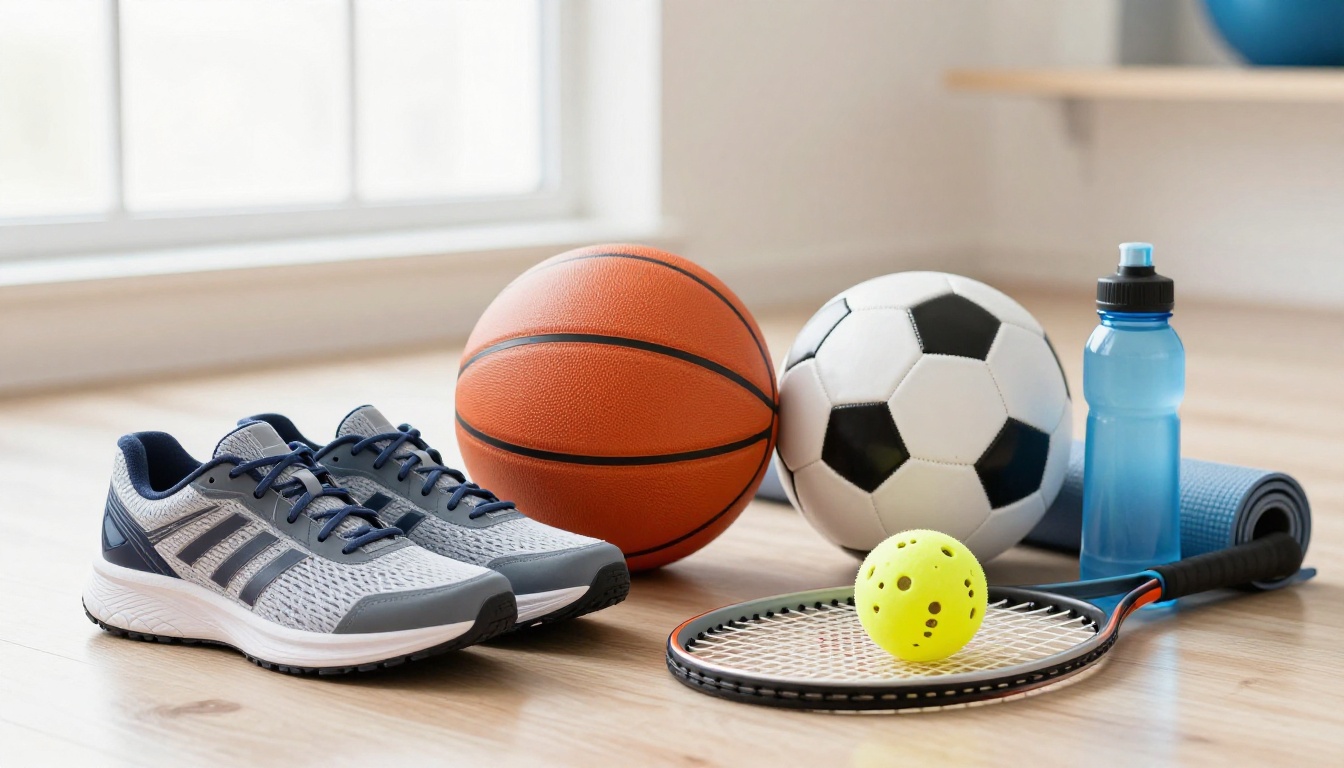
You feel that rush when you decide to try a new sport. The air buzzes with possibility. But then confusion hits: what gear do you actually buy first?
One beginner I know jumped into pickup basketball without decent shoes. He twisted his ankle five minutes in. Ouch. That simple mistake killed his fun and sidelined him for weeks.
The right equipment to start playing sports changes everything. It keeps you safe, boosts comfort, and lets you focus on the game. No more blisters or distractions. This guide covers beginner sports gear essentials. We start with basics for any activity. Then we hit team sports like soccer and basketball. Next come solo options such as running and tennis. Finally, smart buying tips help you save cash. Pick your sport, grab the must-haves, and get moving today.
Basics Every Beginner Needs for Any Sport
Every sport shares a few key items. These keep you comfortable and safe from the start. Skip them, and you risk blisters, exhaustion, or worse. Most cost $20 to $60 each. Brands like Nike or Under Armour offer solid starters. Focus on breathability and fit. Layer for weather changes, too. These pieces work across soccer fields, courts, or trails.
Footwear That Keeps You Moving
Supportive shoes top the list. They absorb shock, cradle your arches, and grip surfaces. Poor ones lead to sprains or falls.
Beginners do well with cross-trainers. They handle multi-direction moves better than plain sneakers. Try them on in-store. Walk, jump, and pivot to test fit. Your heel should lock in; toes have wiggle room. Budget $40 to $80 for quality.
Replace them every 300 to 500 miles. Check for worn treads or thin soles.
Good shoes build confidence on day one.
Clothes and Socks for All-Day Comfort
Breathable shirts and shorts wick sweat fast. Stretchy fabrics let you move free. Cotton traps moisture; avoid it.
Get two or three outfits to rotate. Wash after each use. Athletic socks cushion feet and prevent blisters. Thick ones with padding shine here. They cost $10 to $30 total.
Size up for layering in cooler weather. Test for chafe during a short jog.
Hydration and Quick Recovery Items
Stay hydrated to maintain stamina. An insulated water bottle keeps drinks cold for hours. Clip it to your bag for easy grabs.
A small towel wipes sweat between plays. A gym bag organizes everything. Toss in extras like band-aids. These items cost under $20 combined. They help you recover quick and stay in the game.
For more on hydration needs during exercise, check American College of Sports Medicine guidelines.
Team Sports Gear to Jump Right In
Team sports ramp up fast. You join friends or a league right away. Starter kits run $50 to $150 total. Rent balls first to test interest. Focus on safety features like padding. Popular picks include soccer, basketball, and volleyball.
Soccer: Cleats, Guards, and a Ball
Cleats provide grip on grass or turf. Firm-ground studs suit beginners. They prevent slips during sprints.
Shin guards protect legs from kicks. Wear them under socks. Grab a size 5 ball; it’s regulation for adults. Jerseys stay optional at first. Guards cut bruise risk in tackles by half. Total cost: $60 to $120.
Practice passing alone before games. See FIFA equipment standards for ball specs.
Basketball: Shoes, Ball, and Mouthguard
High-top shoes support ankles during jumps. Look for cushioning and breathable mesh. A size 7 ball works for standard play.
Mouthguards absorb impact in contact. Boil-and-bite types mold to your teeth. Dribble daily to build control. This kit totals $50 to $100.
Ankle rolls drop with proper shoes.
Volleyball: Kneepads, Shoes, and Net Ball
Kneepads cushion dives and blocks. Padded ones last longer. Court shoes offer lateral grip.
A standard volleyball suits indoor or beach. Start with indoor for control. Kneepads save knees over time. Budget $40 to $90. Differentiate beach gear later; it needs sand resistance.
Solo Sports Equipment for Personal Wins
Solo sports fit busy schedules. Gear stores easy and scales with skill. Costs range $30 to $120 per activity. Portability matters most. Durability ensures long use. Try running, tennis, or cycling.
Running: Shoes and a Tracker
Cushioned running shoes prevent injuries. Visit a specialty store for gait analysis. They match your stride.
A fitness tracker or free app logs miles. Build distance slow: add 10% weekly. Shoes run $60 to $100; trackers optional at $30. No gym needed.
For shoe fitting tips, read Runner’s World guide.
Tennis: Racket, Balls, and Grip
Choose a lightweight 27-inch racket. It swings easy for newbies. A can of pressureless balls lasts practice sessions.
Overgrip tape absorbs sweat on the handle. Court shoes handle side-to-side moves. Total: $50 to $110. Hit against a wall to start.
Cycling: Helmet, Bike, and Lock
Helmets come first; they slash head injury risk. Get a CPSC-certified one. Fit it snug.
A hybrid bike mixes roads and paths. Adjust the seat so legs almost straighten at pedals. A U-lock secures it. Kit costs $80 to $150. Pump tires weekly.
Short rides build endurance quick.
Buy Smart, Stay Safe, and Keep Gear Lasting
Quality beats cheap stuff that breaks. Read reviews on sites like Amazon or Dick’s Sporting Goods. Check warranties for defects.
Safety first: test fit with motion. Helmets always; replace after crashes. Shop sales or used via Facebook Marketplace. Apps like OfferUp score deals.
Clean gear post-use. Air dry to avoid mold. Store in cool, dry spots. Replace shoes at wear signs: cracks or odor. Socks fade after dozens washes. Balls lose bounce eventually.
| Item Type | Signs to Replace | Average Lifespan |
|---|---|---|
| Shoes | Worn treads, thin soles | 300-500 miles |
| Socks | Holes, lost elasticity | 6-12 months |
| Balls | Deflated, cracks | 1-2 years |
| Helmets | Crash damage, 5 years | 5 years max |
This table shows quick checks. Proper care extends life and saves money.
Current prices hold steady in 2026, per recent Dick’s Sporting Goods listings.
The starter basics fit every sport. Team kits like soccer cleats get you in games fast. Solo gear such as running shoes builds habits alone. Invest wisely in quality.
Proper beginner sports gear unlocks joy and fitness. You avoid injuries and stay motivated. No more second-guessing your setup.
What’s your first sport? Share in comments below. Drop your top tip for new players. Subscribe for more gear guides. Lace up and play.