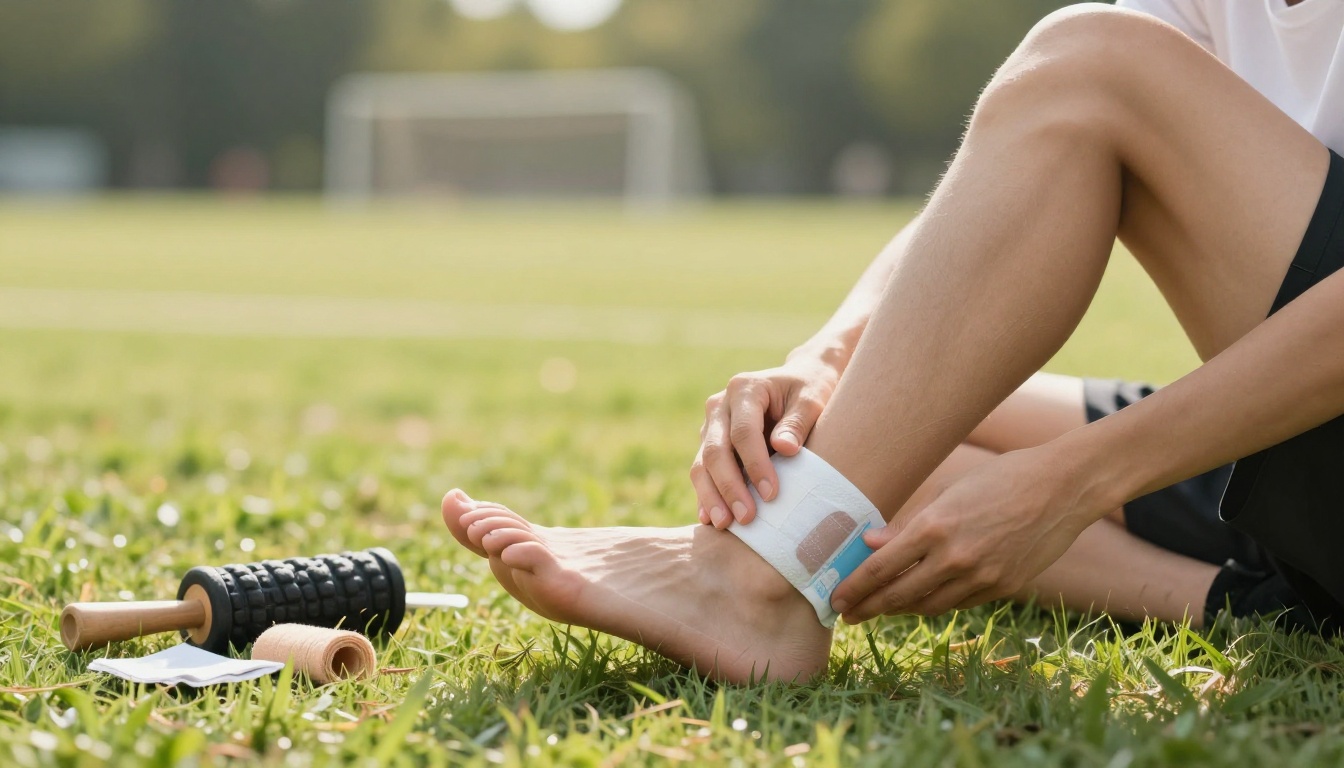
Picture this. You’re in the middle of a pickup soccer game. Your foot lands wrong, and pain shoots through your ankle. Or maybe you pull a hamstring during a gym sprint. These moments happen to athletes of all levels.
Minor sports injuries like mild sprains, strains, bruises, or shin splints strike often. They cause pain but let you move somewhat. No broken bones, huge swelling, or numbness show up. You can bear weight or wiggle fingers and toes.
Home treatment speeds recovery. It saves doctor visits and cash. Plus, you stay in control. But know your limits. This guide covers spotting issues, the RICE method, targeted fixes, remedies, red flags, and prevention. You’ll get back to your sport fast.
Spot Common Minor Sports Injuries You Can Handle at Home
Quick checks help you decide if home care fits. Pain stays mild to moderate. You move the area a bit without sharp agony. No odd bumps or gushing blood appear. Look for normal shape and color mostly.
Common ones include sprains, where ligaments stretch. Strains pull muscles or tendons. Bruises form from impacts. Shin splints ache from overuse. Blisters or turf toe add up too. Self-assess fast: observe color and swelling, press gently for tenderness, then move slowly.
Act soon. Most heal in days to weeks at home. Panic helps no one. Stay calm and start care.
Sprains and Strains: The Usual Suspects
Sprains hit ankles or knees in basketball twists. Ligaments overstretch but don’t tear fully. Swelling builds quick. The spot hurts to touch. Motion limits, yet no pop sound rings out.
Strains nag hamstrings in sprints or shoulders in tennis serves. Muscles or tendons tear slightly. Tenderness spreads. You feel weakness but hold position somewhat. Differentiate easy: sprains affect joints; strains hit muscles.
For example, a soccer player rolls an ankle. Mild pain lets her walk with a limp. That’s home territory.
Bruises, Bumps, and Shin Splints
Football tackles cause bruises. Blood vessels burst under skin. Purple marks fade to yellow in a week. Bumps swell from falls but shrink soon.
Shin splints plague runners. Front shins ache dull after long miles. Overuse irritates bone coverings. Rest eases it.
Check progress daily. Colors shift normally without worse pain.
Checking an ankle for swelling and tenderness helps confirm it’s minor.
Apply the RICE Method Right Away for Fast Pain Relief
RICE stands for rest, ice, compression, elevation. Start it within minutes. Each part cuts swelling and pain. Healing kicks in faster.
Doctors back this for acute injuries. See details from the Mayo Clinic on the RICE protocol. It works because rest protects tissue. Ice numbs and shrinks blood flow. Compression squeezes fluid out. Elevation uses gravity against swelling.
Use it first 48 to 72 hours. Skip heat or rubs early. They boost blood and worsen puffiness.
Rest and Protect Without Going Stir-Crazy
Stop the sport now. Rest the spot 48 to 72 hours. But don’t freeze up fully. Light walks prevent stiffness if weight bears okay.
Protect with a brace or tape. Crutches help bad ankles. In 2026 updates, experts add “protect” to protocols like PEACE and LOVE. It means shield without full stop.
Watch TV propped up. Move nearby joints gently. You’ll avoid cabin fever.
Ice, Compress, and Elevate Like a Pro
Ice 15 to 20 minutes every two to three hours. Wrap packs in towels. Frozen peas work great; they mold to shapes.
Compress with elastic bandages. Snug but not numb-tight. For ankles, wrap in figure-8. Check toes stay pink.
Elevate above heart level. Pillows stack high on couches. Do it often day one and two.
Later, switch to heat. But first, stick to cold.
| Phase | Ice Time | Compression Tip | Elevation Goal |
|---|---|---|---|
| Days 1-2 | 15-20 min every 2-3 hrs | Snug figure-8 wrap | Above heart 2+ hrs |
| Days 3+ | As needed | Looser for motion | During rest |
This table shows timing basics. Follow it for best results. Swelling drops quick.
Tailored Home Treatments for Your Specific Sports Injury
RICE sets the base. Now add targeted steps. Wait 48 hours for gentle moves. They build strength without setback.
Common mistakes: rushing back or skipping support. Go slow. Most fix in one to four weeks.
Recover from Ankle Sprains with Simple Exercises
Tape or brace first. Then draw alphabets with your foot. Big letters trace full range.
Towel scrunches build toes. Stretch calves against walls. Do 10 reps twice daily after day two.
Minor ones heal in one to two weeks. Track less limp each day.
Alphabet drawing strengthens ankle range safely.
Soothe Muscle Strains in Legs or Arms
Massage gently after 72 hours. Use fingers in circles away from pain center.
Add heat packs then. Foam roll slow on calves or quads. Breathe deep.
Runners love calf strains fix. Stretch holds 30 seconds. Repeat five times.
Heal Bruises and Shin Splints Quickly
Rub arnica gel on bruises twice daily. It speeds fade. Aloe cools too.
Shin splints need better shoes. Ice shins post-run. Calf raises strengthen: 20 reps on steps.
Support fixes overuse fast.
Safe Home Remedies and Pain Relief Boosters
Boost with easy aids. Turmeric tea fights swelling; mix one teaspoon in hot water daily. Epsom salt soaks relax: 30 minutes in warm tub.
Take ibuprofen for pain. Follow label doses, max 400 mg every six hours adults. Ask doc if on meds.
Eat protein-rich foods like eggs and berries for vitamin C. They aid repair.
Gentle yoga flows help. Avoid myths like early heat. Check Harvard Health on natural inflammation reducers.
Five top picks:
- Turmeric for swelling.
- Epsom baths for calm.
- Ibuprofen short-term.
- Protein snacks daily.
- C foods like oranges.
Use two or three. They stack with RICE well.
Watch for Red Flags and Know When to Call a Doctor
Some signs scream pro help. Pain worsens after 48 hours. Swelling grows huge. You can’t bear weight at all.
Numbness or tingling spreads. Fever joins in. Big cuts won’t stop bleeding.
Red flags list:
- Inability to move joint normally.
- Deformity or odd angle.
- Severe instability.
- Signs of infection like red streaks.
Urgent care for most. ER if bone pokes or shock hits. Better safe. When unsure, call.
Get Back in the Game Stronger
You now know how to assess minor sports injuries, apply RICE, use tailored fixes, add remedies, and spot dangers. Most heal at home in one to four weeks.
Start with that quick check next time pain hits. Protect your body right.
Share your recovery story in comments. What worked for you? Pin this for game days. Subscribe for more fitness tips.
You’ll lace up soon. Stay active smart.