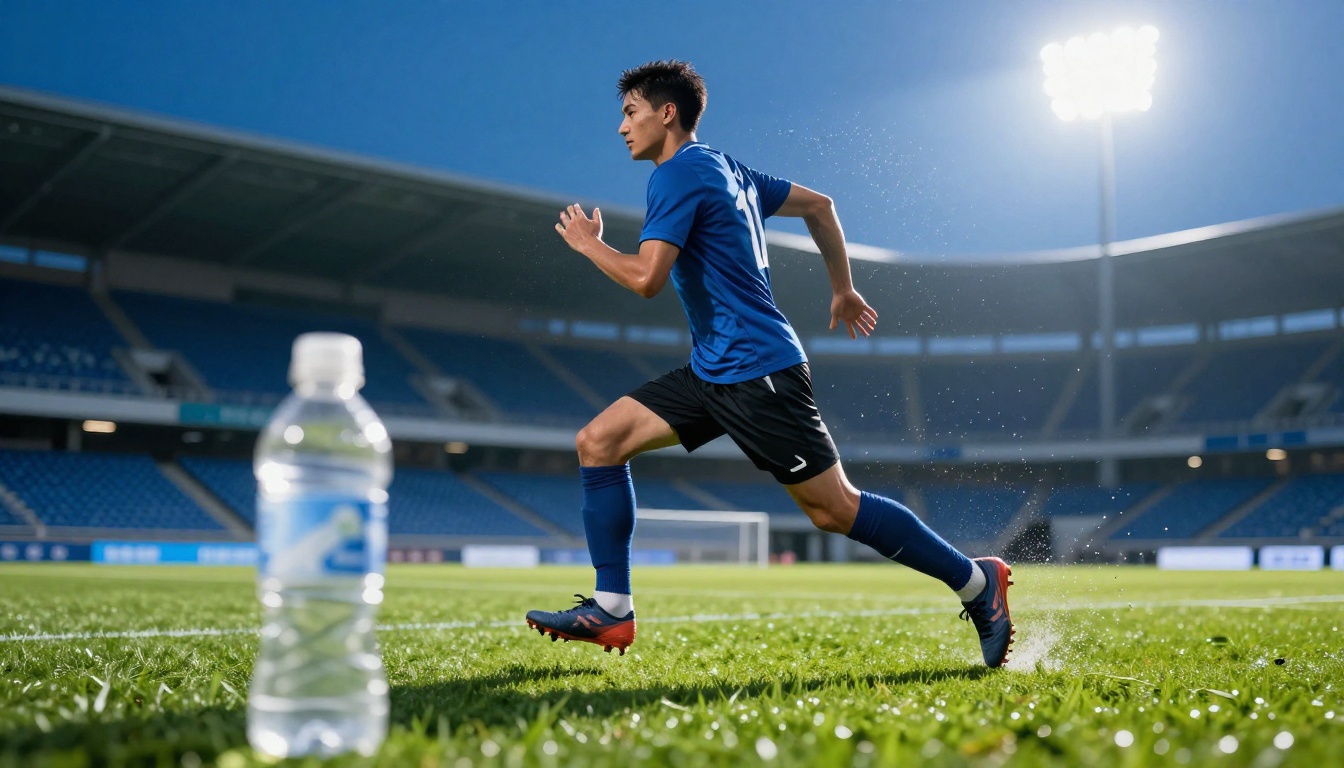
Picture this: a soccer player sprints down the field in the final minutes of a tied game. He scores, but suddenly cramps seize his legs. He drops, and the other team takes the win. That player skipped water breaks because he felt fine earlier.
Sports science backs this up. The American College of Sports Medicine notes that losing just 2 percent of your body weight in sweat can drop endurance by 10 to 20 percent. Hydration keeps your body temperature in check. It fuels muscles for power. It sharpens your brain for quick plays.
So, how important is hydration during sports? This post breaks it down. You’ll learn dehydration’s hidden damage, exact fluid needs before, during, and after play, warning signs to catch early, and simple tips to stay ahead. Let’s get you set to perform at your best.
Why Dehydration Sneaks Up and Tanks Your Sports Performance
Dehydration hits quietly. You sweat without noticing. Soon, your heart races harder. Body temperature climbs. Muscles tire faster. Recovery drags on.
Studies show even mild fluid loss hurts. A 1 to 3 percent drop in body water cuts strength by about 10 percent. Speed falls 5 to 10 percent too. Electrolytes like sodium vanish in sweat. This sparks fatigue and cramps.
Think of your body like a car engine. Without enough coolant, it overheats and sputters. Athletes in hot weather suffer most. Runners, cyclists, and team players in sun feel the burn first.
Basketball stars miss shots with shaky hands from dehydration. Endurance folks slow on long hauls. Poor hydration means poor play every time.

Physical Hits: From Cramps to Early Fatigue
Your body sends clear signals. Dry mouth starts it. Dizziness follows. Dark urine shows up. Breathing quickens.
Sodium loss triggers muscle cramps. Heat exhaustion lurks next. The Gatorade Sports Science Institute reports sweat rates hit 2 liters per hour in hard play.
Tennis players slow their serves. Runners fade mid-race. These hits build fast:
- Cramps: Electrolyte imbalance locks muscles.
- Fatigue: Less blood flow starves working tissues.
- Heat rise: Core temp jumps, risking collapse.
Catch them early. Your game stays strong.
Mental Drags: Foggy Focus and Slow Decisions
Your brain craves water too. Dehydration shrinks cells a bit. Focus fades. Decisions lag.
Research finds 1.5 percent fluid loss impairs thinking by 20 percent. Soccer goalies miss easy saves. Reaction times slow.
You second-guess passes. Fatigue clouds judgment. Endurance drops across the board. Stay hydrated. Keep your head clear.
How Much Water Do You Need Before, During, and After Your Workout
Guidelines from the ACSM set the standard. Drink 16 to 20 ounces 2 to 3 hours before exercise. Sip 7 to 10 ounces every 10 to 20 minutes during. Replace 16 to 24 ounces per pound lost after.
Adjust for size, heat, and effort. Bigger athletes sweat more. Hot days demand extra. Test your sweat rate at home. Weigh before and after a workout. The difference shows loss.
Plain water works for short sessions. Over 60 minutes, add electrolytes. Kids drink less total but follow patterns.
Here’s a quick guide based on ACSM advice:
| Time Frame | Amount per Guidelines | Tips for Adjustment |
|---|---|---|
| 2-3 hours before | 16-20 oz (about half a large bottle) | Bigger body? Go higher. |
| Every 10-20 min during | 7-10 oz (small gulps) | Hot weather: Sip more often. |
| Post-workout | 16-24 oz per lb lost | Weigh in/out for exact. |
This method personalizes your plan. Track it weekly.
Pre-Game Prep: Hydrate Early to Start Strong
Start your day right. Drink 16 ounces upon waking. It kick-starts fluids.
Skip heavy caffeine. It pulls water out. Aim for pale yellow urine. That’s your green light.
Build habits days ahead. You enter ready.
Mid-Action Sips: Keep the Flow Going Without Overdoing It
Team sports have water breaks. Sip then. Runners carry handheld bottles.
Flavored water encourages more intake. Don’t chug. Small sips prevent sloshing.
Match your sport’s rhythm. Stay steady.
Post-Play Recovery: Rebuild What You Lost Fast
Weigh before and after. Drink 1.5 times your loss. Add carbs or protein shakes.
They speed uptake. Muscles repair quicker. You bounce back strong.
Spot These Dehydration Red Flags Before They Sideline You
Signs start mild. Thirst hits first. Headache follows. Ignore them, and trouble grows.
Dark urine warns too. Pinch your skin. Slow bounce back means deficit. Heart rate stays high post-rest.
Hot climates or altitude worsen risks. A 2025 study showed youth sports ER visits from dehydration rose 15 percent in summer heat, per CDC data.
Coaches and parents, check kids often. Act fast. Prevention beats treatment.

Early Warnings You Can Fix on the Spot
Thirst builds. Lips dry out. Bathroom breaks drop.
Fatigue strikes sooner. Hands shake a bit. Sip water now. You turn it around.
Severe Signals That Mean Stop and Seek Help
Sweat stops in heat. Pulse races. Nausea rolls in.
Confusion or vomiting signals danger. Stop play. Get cool and medical help.
CDC says good hydration cuts heat issues by 70 percent. Don’t risk it.
Easy Ways to Stay Hydrated No Matter Your Sport
Make it simple. Use insulated bottles. They keep drinks cold for hours.
Cyclists grab hydration packs. Runners pick vests with bladders. Apps track sips.
Water rules short workouts. Sports drinks shine in long or hot ones. Eat watermelon or oranges for natural fluids and salts.
Flavor water with fruit slices. Set phone alarms. Use squeeze bottles for quick gulps.
Swimmers time laps with goggles reminders. Budget hacks include DIY mixes: water, salt, lemon.
Turn it routine. Your sport, your edge.
Pick Drinks and Snacks That Actually Work
Water hydrates best under an hour. Sports drinks replace salts over that.
Skip soda or energy drinks. They dehydrate. Grab pretzels for sodium. Bananas add potassium.
Choose based on sweat and time.
Habits and Tools to Make Hydration Automatic
Buddy up. Check each other. Pre-fill bottles. Mark levels with tape.
Color-code for goals. One bottle per hour. It sticks.
Hydration boosts performance, cuts injury risk, and clears your mind. Proper fluids mean better endurance and wins.
Track urine color daily. Weigh weekly during training. Test a plan that fits.
Try one tip this week. Share your results in the comments. What’s your go-to hydration hack? Stay fueled, play stronger.
(Word count: 1487)