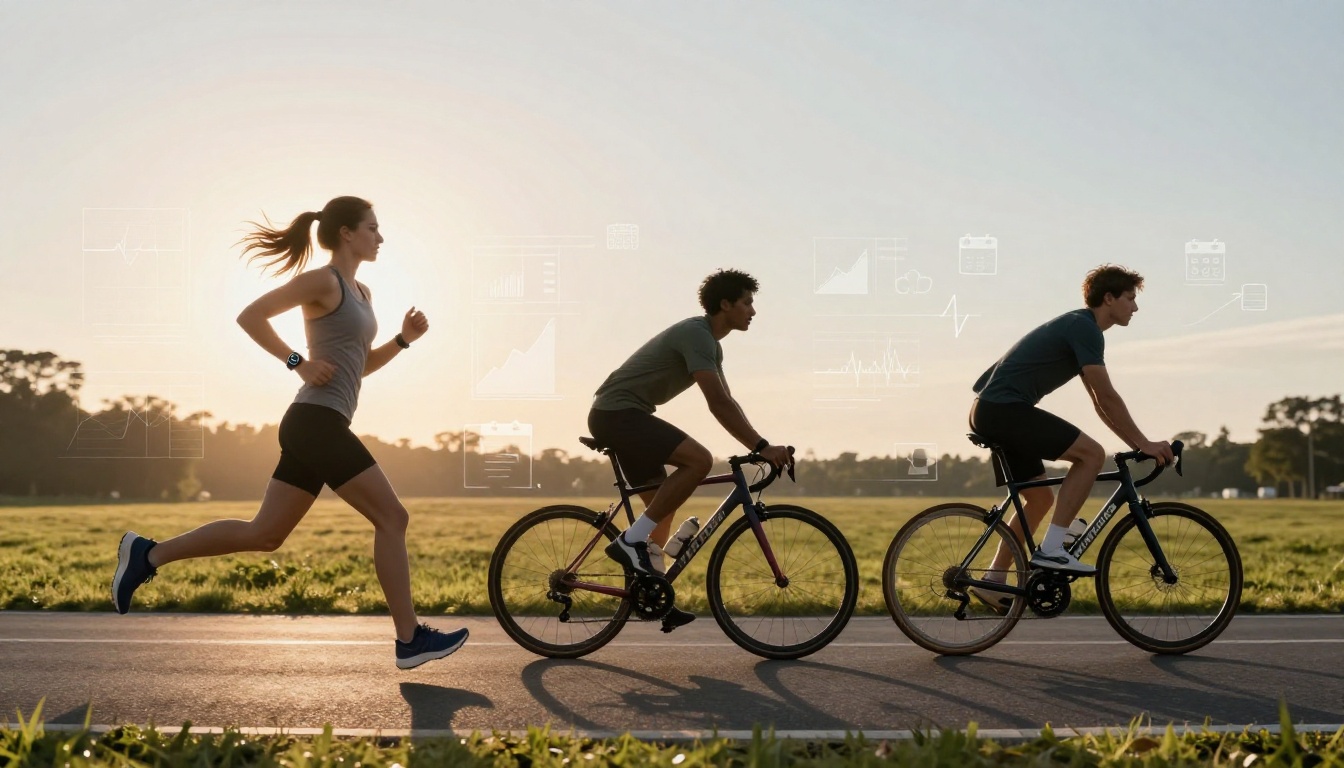
Picture this: Sarah, a busy weekend runner, hit a wall in her training. She ran the same 5K route week after week but never got faster. Frustrated, she started jotting down her times and distances. In three months, she shaved two minutes off her personal best.
Tracking turns vague feelings into solid proof. You see real gains, dodge burnout, and build momentum that lasts. This post covers why it works, top tools for 2026, sport-specific metrics, and habits to stick with it. Whether you run, lift, or play team sports, these steps need no fancy gear. Just start simple and watch results roll in.
Why Tracking Your Sports Progress Fuels Long-Term Success
You train hard, but without records, progress hides. Tracking spots patterns fast. It shows small wins that keep you hooked. Athletes who log workouts improve 20-30% quicker, according to sports science reviews from the American College of Sports Medicine. One cyclist logged rides and boosted average speed by 2 mph in weeks. Another lifter caught a plateau early and switched routines.
First, it reveals plateaus before they stall you. You notice when times stop dropping or reps feel stuck. Then, motivation surges from visible gains. Share charts with friends for extra push. Smarter tweaks come next; data guides rest or intensity shifts. Finally, it proves effort to coaches. In short, tracking builds habits that last.
Stay Motivated When Results Feel Slow
Slow weeks test everyone. You push through sore muscles yet see no change. Tracking flips that. Spot one more rep or a faster split, and fire returns.
Chart mood next to workouts, for example. Link tough days to skipped rest. Sarah saw her best runs followed good sleep. Small wins stack up. They remind you effort pays off, even if scales lag.
Avoid Common Training Mistakes with Hard Data
Guesswork leads to errors. You overtrain and crash, or slack on recovery. Data cuts through. Rising rest heart rates signal fatigue; log them to act.
Soccer players track sprint times. One team adjusted drills after logs showed slowing speeds. They added recovery days and peaked at season’s end. Hard numbers prevent burnout. They guide smart choices.
Top Tools and Apps to Log Your Workouts Without the Hassle
Tools make tracking effortless. Pick one that fits your style. Free apps lead for beginners. Strava shines for runs and rides with social shares. Hevy or Strong handle lifts with easy rep logs. Garmin Connect and Apple Fitness cover multisport data.
Wearables automate heart rate and steps. Budget Fitbits start cheap. Apple Watches suit iPhone users. Pro options like Garmin or Whoop track recovery deep. Low-tech works too; use notebooks or spreadsheets.
Start with one to avoid overload. Most set up in minutes. Free tiers pack enough power.
Free Apps That Sync Across Devices Seamlessly
Apps beat paper for speed. Strava auto-imports GPS from your phone. Share segments for friendly competition. MyFitnessPal ties in food logs to fuel gains. TrainingPeaks lite plans sessions.
Setup takes under five minutes. Download, grant location access, and log your first workout. Data syncs to phone, laptop, watch. No more manual entry hassles.
Wearables That Track Heart Rate and More Automatically
Devices do the work. Garmin Forerunner nails runs with GPS accuracy. Whoop scores recovery from sleep and strain. Oura Ring tracks rest without bulk.
Battery lasts days on most. Costs range from $100 Fitbits to $500 Garmins. Data beats hype; tests show 95% heart rate match. Pair with apps for full views.
Simple Paper or Spreadsheet Options for Tech Shy Folks
Not into screens? Go old-school. Notebooks list date, exercise, reps, notes. Google Sheets templates add graphs.
Columns stay basic: date, activity, duration, feel. Pros include no charge, full control. Share links with trainers. Print or voice-note on phone. It builds discipline without distractions.
Choose Metrics That Match Your Sport for True Progress
Generic numbers mislead. Tailor them to your sport. Set baselines monthly, like a timed mile or max reps. Apps graph trends; keep to three to five metrics max.
Personalize or chase shadows. Runners watch pace. Lifters eye volume. Team players log skills. Test consistently for truth.
Endurance Boosters for Runners, Cyclists, and Swimmers
Endurance needs pace focus. Track miles per week, average speed, VO2 estimates. Swimmers log 400m splits.
One runner dropped mile pace from 9:00 to 8:30 over months. Apps calculate efficiency. Stroke rates improve with logs. Weekly totals build base without guesswork.
Strength Markers for Lifters and Bodyweight Athletes
Strength grows in numbers. Log one-rep max, total volume (sets times reps times weight), measurements.
A lifter went from 135 to 185 pounds on bench in 12 weeks. Bodyweight folks count pushups to failure. Volume shows overload right.
Skill and Speed Stats for Team Sports Players
Team sports demand agility. Time 40-yard dashes, vertical jumps, shots made.
Soccer uses cones for drills. Basketball tracks free throws. Phone timers work fine. Logs reveal skill gaps fast.
Build Lasting Habits and Use Data to Crush Plateaus
Habits lock in gains. Log right after sessions. Review Sundays for trends. Slow pace? Add rest or hills.
Data spots stalls. Adjust plans quick. Celebrate non-food wins like new gear. Routines turn effort into breakthroughs.
Quick Weekly Reviews to Spot Wins and Weak Spots
Reviews take 10 minutes. Pull app data. Note top three improvements, one change.
Graphs show trends clear. Pace up? Keep it. Dips mean tweak. One runner fixed form after split reviews.
Smart Tweaks That Turn Stalls into Breakthroughs
Flat metrics scream adjust. Deload a week, cut volume 50%. Add new drills.
A lifter stalled on squats. Mobility work unlocked gains. Data guides; ignore feelings alone.
Fun Ways to Celebrate and Share Your Progress
Share for accountability. Post Strava segments. Before-after photos motivate. Join app challenges.
Communities cheer wins. It sustains fire long-term.
Tracking demystifies gains. Tools simplify logs. Metrics fit your sport. Habits crush stalls.
Pick one app today. Log your workout now. What sport do you play? Drop your first metric in comments or share online. As marathoner Eliud Kipchoge says, “No human is limited.” Consistency proves it.