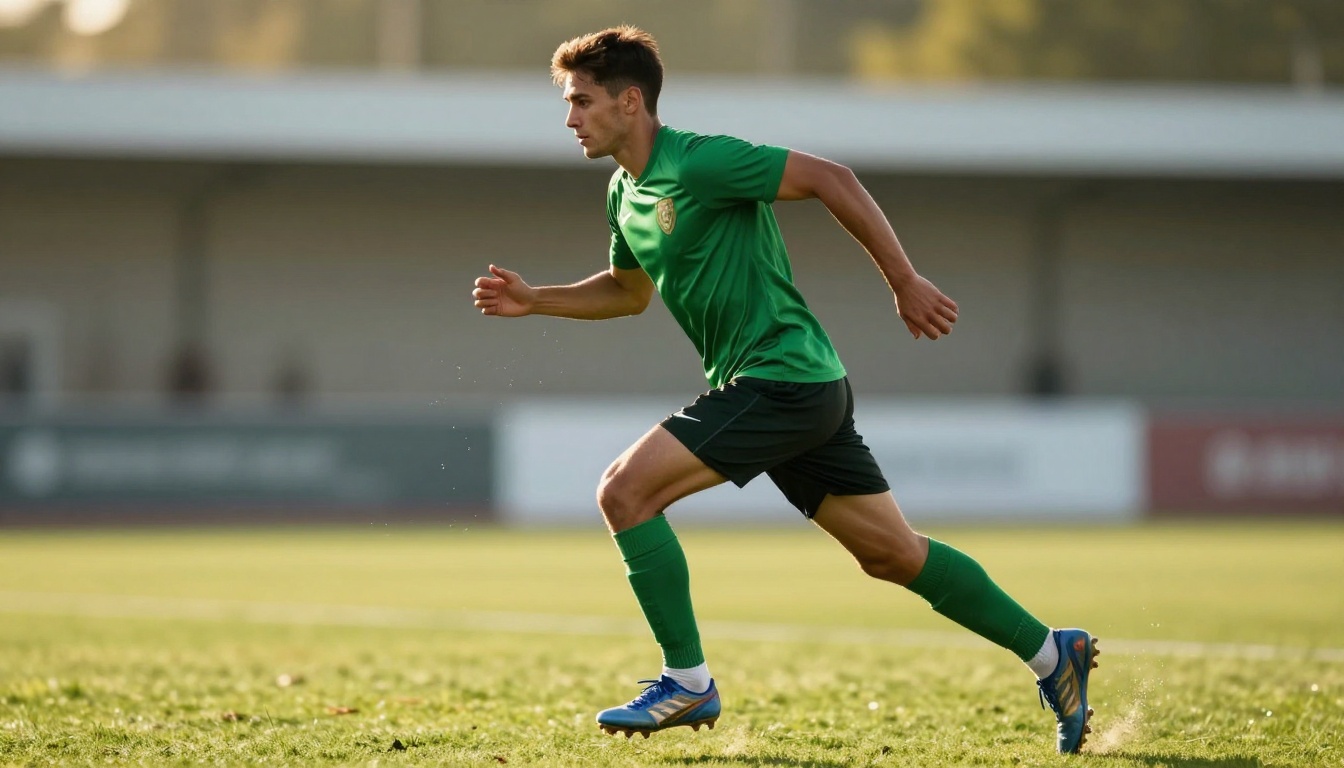
Imagine a weekend soccer player named Alex. He dominated early games but faded fast in the second half. After four months of smart training, Alex powered through full matches and scored more goals. Strength and endurance make that difference. Strength gives explosive power for sprints and jumps. Endurance lets you sustain effort over long plays. You can build both with proven steps. No fancy gym required. These methods work for casual players or competitors. Follow along, stay consistent, and see results soon.
Assess Your Current Fitness to Build a Smart Plan
Start here before any workout. Know your baseline to avoid injury and track gains. Self-tests reveal weaknesses fast. Tailor everything to your sport after that. Beginners test light. Advanced athletes push harder.
Test strength with push-ups or squats. Time endurance on runs. Use a notebook or free app to log scores. Retest every four weeks. This keeps you motivated as numbers improve.
Simple Tests for Strength and Endurance
Pick four easy tests. Do them on non-training days. Warm up first with five minutes of light cardio.
Try max push-ups in one minute for upper body strength. Aim for 20-plus as intermediate. Hold a squat for time on legs; 90 seconds shows solid base. Run one mile for cardio endurance; under nine minutes rates advanced. Plank for core; two minutes marks good control.
| Test | Beginner | Intermediate | Advanced |
|---|---|---|---|
| Push-ups (1 min) | 10-19 | 20-39 | 40+ |
| Squat hold | 30-59 sec | 60-119 sec | 2+ min |
| 1-mile run | 12+ min | 9-11 min | Under 9 min |
| Plank | 30-59 sec | 1-2 min | 2+ min |
These scores guide your plan. For example, low push-ups mean focus upper body first. Check ACE Fitness strength tests for more details.
Match Your Plan to Your Sport’s Demands
Different sports need different balances. Basketball demands quick bursts, so prioritize strength. Soccer or cycling lean endurance heavy. Team sports mix both.
Explosive needs like tennis call for plyo jumps. Distance runners build aerobic base. Balance with 60% strength for sprinters, 70% endurance for marathoners. Adjust based on your games. A swimmer adds pool sprints. Track season demands too; build base off-season.

Strength Workouts That Pack on Power Fast
Compound lifts build full-body power quick. Train twice weekly with three to five sets of six to 12 reps. Rest two to three minutes between sets. Add sport tweaks like box jumps for volleyball.
Bodyweight works for starters. Use dumbbells as you progress. Sessions last 45 minutes. Recover fully between days. This packs muscle and explosiveness.
Top Compound Exercises Every Athlete Loves
Squats hit legs and core. Feet shoulder-width, lower till thighs parallel floor. Keep back straight; knees track toes. Common mistake: rounding back, so brace core.
Deadlifts build back and hamstrings. Hinge at hips, grip bar, lift with flat back. Pull-ups target upper body; use bands if needed. Overhead presses strengthen shoulders; press bar from chest height.
These moves mimic sports actions. For instance, squats power basketball leaps. Do three sets each, twice weekly.
Progressive Overload: The Key to Non-Stop Gains
Add challenge weekly to grow. Increase weight five pounds, or reps by two, or slow descent three seconds. Rest two days between strength days.
Week one: three sets of eight squats at bodyweight. Week two: add dumbbells. Week three: 10 reps. Week four: slower tempo. Track in a journal. This forces adaptation. See nonstop progress because muscles respond to stress.
Endurance Training to Outlast Your Opponents
Mix cardio types three times weekly. Sessions run 20 to 45 minutes. Boost VO2 max, your oxygen use, and delay fatigue. Add hills or intervals for variety.
Steady runs build base. Intervals spike heart rate. Simulate sports like court suicides for tennis. Progress by adding five minutes weekly.
HIIT Workouts for Quick Stamina Boosts
High-intensity interval training fits busy schedules. Warm up five minutes. Sprint 30 seconds, jog 90 seconds; repeat eight times. Cool down.
Runners do track sprints. Cyclists pedal hard efforts. Swimmers alternate fast laps. Benefits include fat burn and better recovery. Do twice weekly max. Try this HIIT guide from Runner’s World.
Long Slow Distance for Building a Base
Run or bike 45 to 60 minutes at easy pace. Talk test: you chat without gasping. Zone two heart rate sits 60 to 70% max. Find max by 220 minus age.
This grows aerobic engine. No burnout risk. Do once weekly. Pair with strength days off. Fuel with carbs before.

Fuel Up with Nutrition That Supports Strength and Stamina
Eat for performance. Protein repairs muscles at 1.6 grams per kilo bodyweight. Carbs fuel efforts; 4 to 7 grams per kilo. Fats support hormones, 20 to 30% calories.
Time meals: carbs pre-workout, protein post. Drink half your bodyweight in ounces water daily. Adjust for sweat loss.
Protein Sources to Repair and Grow Muscles
Chicken breast packs 30 grams per serving. Eggs offer complete aminos. Beans suit plants. Aim 20 to 40 grams per meal.
Post-workout shake mixes whey or pea protein with fruit. Spread intake over four to six meals. This speeds recovery. Track with an app like MyFitnessPal.
Carbs and Timing for Endless Energy
Oats fuel mornings. Sweet potatoes digest slow. Fruits add quick sugars. Carb-load night before endurance days; 8 to 10 grams per kilo.
Skip low-carb trends; athletes need glycogen. Pair with protein to stabilize blood sugar. This sustains long sessions.
Recover Like a Pro to Keep Getting Stronger
Sleep seven to nine hours nightly. Active recovery walks on off days. Foam roll tight spots 10 minutes daily. Watch for fatigue or stalled progress.
Deload every four to six weeks: cut volume half. Use ice baths post-hard sessions. Mobility keeps you flexible.
Sleep and Rest Days That Supercharge Results
Deep sleep releases growth hormone. Blackout room, cool temp help. Sample week: strength Monday/Thursday, endurance Tuesday/Friday, rest Wednesday/Saturday/Sunday.
Nap 20 minutes if short nights. This rebuilds faster than constant grind.
Injury Prevention Moves to Stay in the Game
Warm up 10 minutes dynamic: leg swings, arm circles. Core planks daily. Stretch post-session. Ignore pain? Stop training.
Strong glutes prevent knee issues. Listen to your body always.
Put It All Together: Your 4-Week Starter Plan
Blend it weekly. Beginners: three strength, two endurance, one rest. Intermediates add intensity.
Week sample (beginner):
- Monday: Strength A (squats, push-ups)
- Tuesday: HIIT 20 min
- Wednesday: Rest or walk
- Thursday: Strength B (deadlifts, pull-ups)
- Friday: LSD 30 min
- Saturday: Sport practice
- Sunday: Recover
Eat 1.6g protein/kg daily. Track tests week four. Adjust for basketball? More plyos. Progress beats perfection. NSCA sample plans offer more.

Build strength and endurance step by step. Assess first, train smart, fuel right, recover well. Weeks bring real gains like Alex saw. Start your baseline test today. Share progress below. What sport drives you? Persistence wins games.